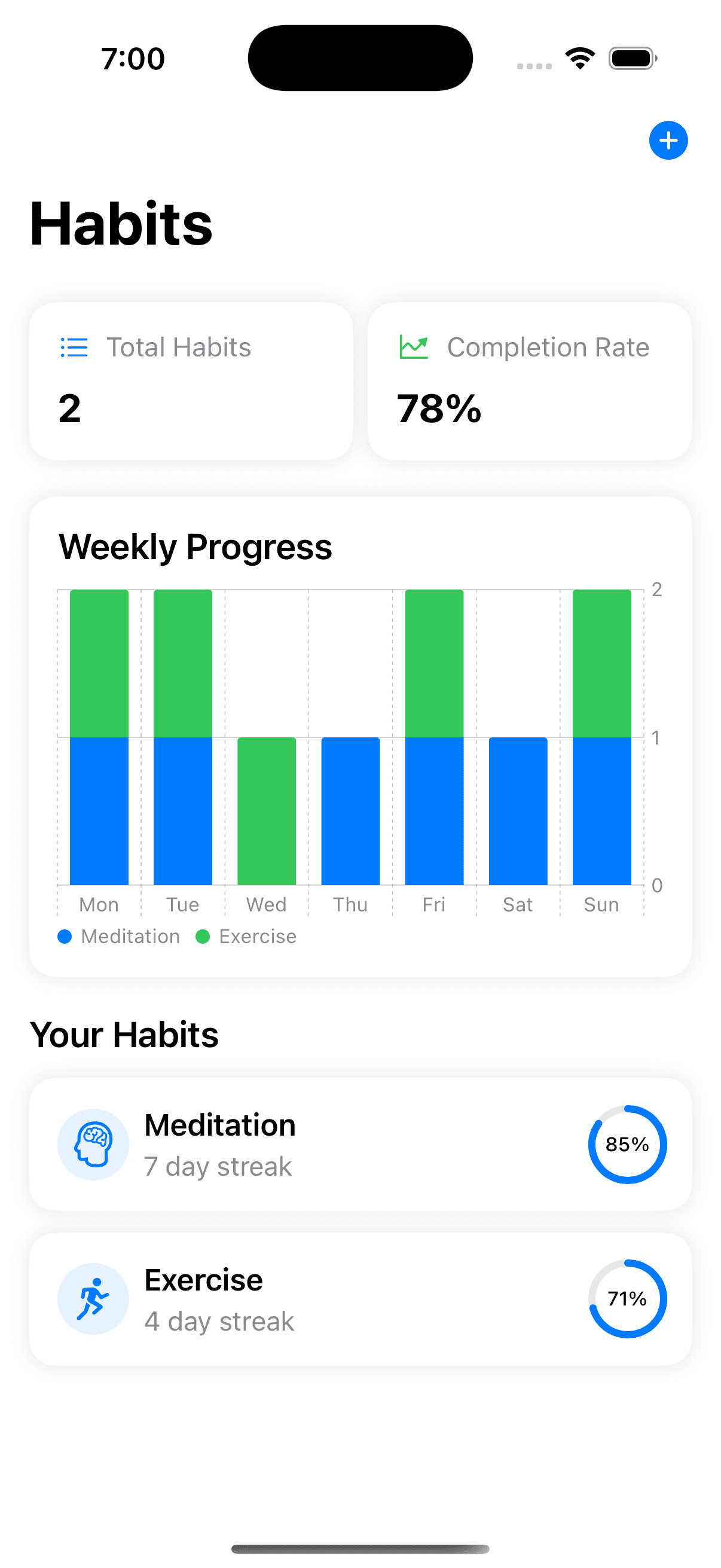
Habit Tracker
by dockui
Clean and intuitive habit tracker UI template, designed to help users visually track their daily habits
- Platform
- SwiftUI
- Code
- Native Swift
- Format
- Screen
- Access
- Free
Code Snippet
import SwiftUI
import Charts

struct Habit: Identifiable {
    let id = UUID()
    let name: String
    let icon: String
    let streak: Int
    let completionRate: Double
    let weeklyData: [(day: String, completed: Int)]
}

struct HabitTrackingView: View {
    // Sample data
    let habits = [
        Habit(
            name: "Meditation",
            icon: "brain.head.profile",
            streak: 7,
            completionRate: 0.85,
            weeklyData: [
                ("Mon", 1), ("Tue", 1), ("Wed", 0),
                ("Thu", 1), ("Fri", 1), ("Sat", 1), ("Sun", 1)
            ]
        ),
        Habit(
            name: "Exercise",
            icon: "figure.run",
            streak: 4,
            completionRate: 0.71,
            weeklyData: [
                ("Mon", 1), ("Tue", 1), ("Wed", 1),
                ("Thu", 0), ("Fri", 1), ("Sat", 0), ("Sun", 1)
            ]
        )
    ]

    var body: some View {
        NavigationStack {
            ScrollView {
                VStack(spacing: 20) {
                    // Stats Overview
                    statsOverview

                    // Weekly Progress Chart
                    weeklyProgressChart

                    // Habits List
                    habitsList
                }
                .padding()
            }
            .navigationTitle("Habits")
            .toolbar {
                ToolbarItem(placement: .topBarTrailing) {
                    Button(action: {}) {
                        Image(systemName: "plus.circle.fill")
                            .foregroundStyle(.blue)
                    }
                }
            }
        }
    }

    private var statsOverview: some View {
        HStack {
            StatCard(title: "Total Habits", value: "\(habits.count)", icon: "list.bullet", color: .blue)
            StatCard(title: "Completion Rate", value: "78%", icon: "chart.line.uptrend.xyaxis", color: .green)
        }
    }

    private var weeklyProgressChart: some View {
        VStack(alignment: .leading, spacing: 12) {
            Text("Weekly Progress")
                .font(.title3)
                .fontWeight(.semibold)

            Chart {
                ForEach(habits) { habit in
                    ForEach(habit.weeklyData, id: \.day) { data in
                        BarMark(
                            x: .value("Day", data.day),
                            y: .value("Completed", data.completed)
                        )
                        .foregroundStyle(by: .value("Habit", habit.name))
                    }
                }
            }
            .frame(height: 200)
            .chartForegroundStyleScale([
                "Meditation": Color.blue,
                "Exercise": Color.green
            ])
        }
        .padding()
        .background(Color(.systemBackground))
        .clipShape(RoundedRectangle(cornerRadius: 15))
        .shadow(color: .black.opacity(0.1), radius: 5)
    }

    private var habitsList: some View {
        VStack(alignment: .leading, spacing: 12) {
            Text("Your Habits")
                .font(.title3)
                .fontWeight(.semibold)

            ForEach(habits) { habit in
                HabitRow(habit: habit)
            }
        }
    }
}

struct StatCard: View {
    let title: String
    let value: String
    let icon: String
    let color: Color

    var body: some View {
        VStack(alignment: .leading, spacing: 12) {
            HStack {
                Image(systemName: icon)
                    .foregroundStyle(color)
                Text(title)
                    .foregroundStyle(.secondary)
            }
            .font(.subheadline)

            Text(value)
                .font(.title2)
                .fontWeight(.bold)
        }
        .frame(maxWidth: .infinity, alignment: .leading)
        .padding()
        .background(Color(.systemBackground))
        .clipShape(RoundedRectangle(cornerRadius: 15))
        .shadow(color: .black.opacity(0.1), radius: 5)
    }
}

struct HabitRow: View {
    let habit: Habit

    var body: some View {
        HStack {
            Image(systemName: habit.icon)
                .font(.title2)
                .frame(width: 40, height: 40)
                .background(Color.blue.opacity(0.1))
                .clipShape(Circle())
                .foregroundStyle(.blue)

            VStack(alignment: .leading, spacing: 4) {
                Text(habit.name)
                    .fontWeight(.semibold)

                Text("\(habit.streak) day streak")
                    .font(.subheadline)
                    .foregroundStyle(.secondary)
            }

            Spacer()

            CircularProgressView(progress: habit.completionRate)
                .frame(width: 40, height: 40)
        }
        .padding()
        .background(Color(.systemBackground))
        .clipShape(RoundedRectangle(cornerRadius: 15))
        .shadow(color: .black.opacity(0.1), radius: 5)
    }
}

struct CircularProgressView: View {
    let progress: Double

    var body: some View {
        ZStack {
            Circle()
                .stroke(Color.gray.opacity(0.2), lineWidth: 4)

            Circle()
                .trim(from: 0, to: progress)
                .stroke(Color.blue, style: StrokeStyle(lineWidth: 4, lineCap: .round))
                .rotationEffect(.degrees(-90))

            Text("\(Int(progress * 100))%")
                .font(.caption2)
                .fontWeight(.medium)
        }
    }
}
More Templates
View All TemplatesSimilar Blogs
View All Articles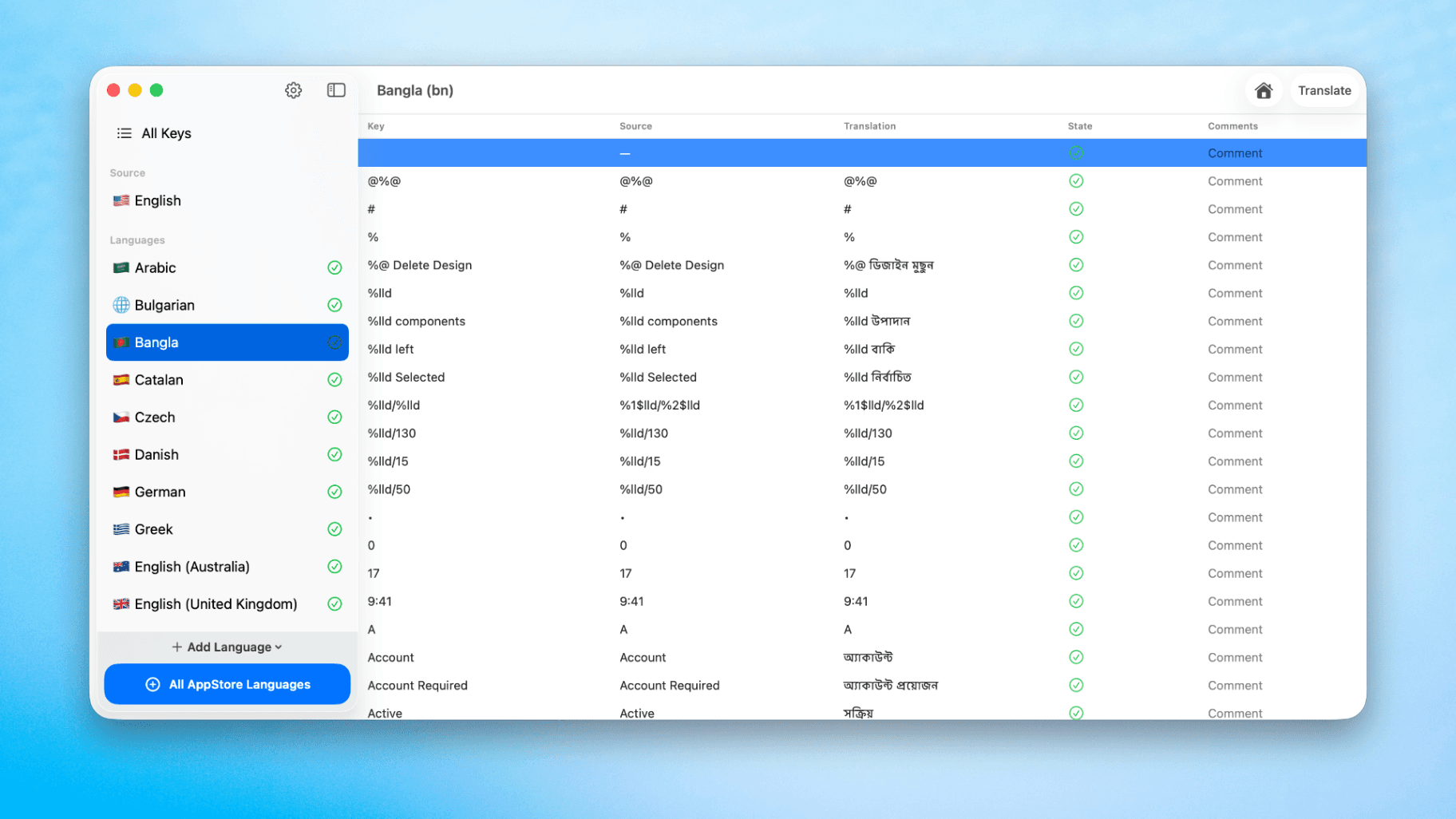
How to Translate Xcode String Catalogs with AI
Learn how to efficiently translate Xcode string catalogs using AI fast, streamlining localization for your iOS and SwiftUI applications.
by dockui
May 4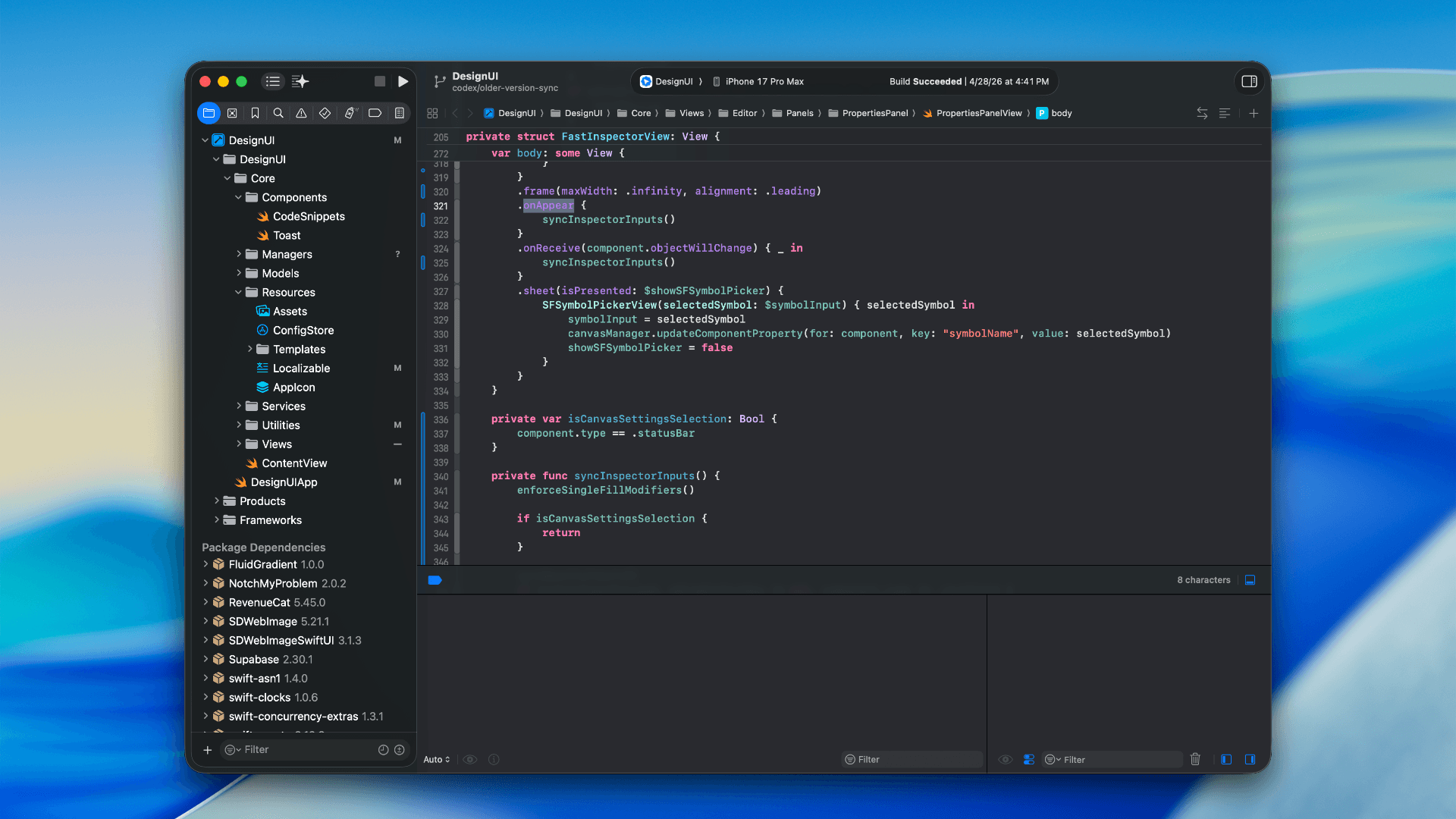
How to optimize your SwiftUI app in 2026
Discover top strategies to optimize your SwiftUI app in 2026, enhancing performance, responsiveness, and maintainability with modern concurrency.
by dockui
Apr 29
SwiftUI: iOS Confirmation Alert (Confirm + Cancel)
SwiftUI iOS confirmation alert with Confirm and Cancel buttons. Beginners guide to building safe actions, destructive deletes, and commit dialogs.
by dockui
Nov 11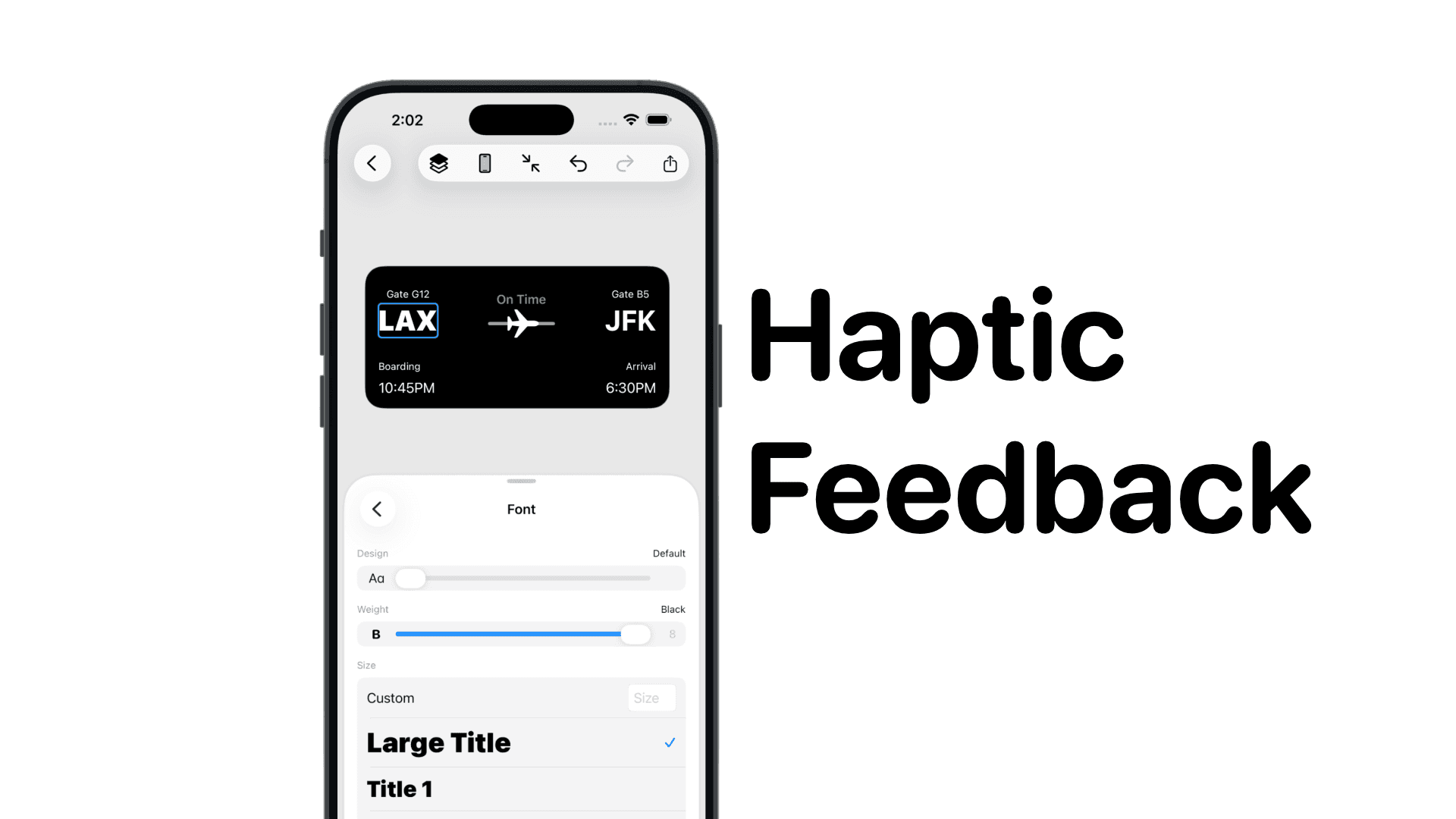
SwiftUI: IOS Haptic Feedback Guide 2026
Add click to vibrate haptic feedback in SwiftUI. Full guide to UIImpactFeedbackgenerator, success, error, selection, and tap vibration patterns with code.
by dockui
Nov 11Code copied to clipboard!